Ever stared at a blank canvas, brush in hand, convinced you lack “natural talent”? You’re not alone. Millions of aspiring artists abandon painting before they even mix their first color—all because no one told them that easy art paintings for beginners exist, and they’re designed precisely for people like you. In today’s online education landscape, structured, beginner-friendly painting resources are more accessible than ever. This guide cuts through the noise with actionable steps, hard-won lessons (yes, I once ruined a $50 canvas by using window cleaner as “paint thinner”—don’t ask), and trustworthy techniques backed by art educators.
Table of Contents
- Why Beginner Painting Matters in Online Learning
- Your Step-by-Step Painting Roadmap
- Best Practices for Stress-Free Creation
- Real Results from New Artists
- Frequently Asked Questions
Key Takeaways
- Start with simple subjects—geometric shapes, single-color gradients, or abstract patterns—to build confidence.
- Acrylics are the most forgiving medium for beginners due to quick drying time and water-based cleanup.
- Avoid overbuying supplies; a basic set of 6 brushes and 5 paints is enough for dozens of projects.
- Mistakes aren’t failures—they’re data points. Even professional artists rework canvases multiple times.
- Online tutorials from vetted instructors (like those on Khan Academy’s art section) significantly improve learning outcomes.
Why Beginner Painting Matters in Online Learning
In the booming world of online education, arts and crafts have surged—especially post-pandemic. According to a 2023 National Endowment for the Arts report, participation in visual arts activities among U.S. adults jumped 18% since 2020, with digital platforms driving accessibility. Yet many newcomers feel intimidated by advanced YouTube demos or expensive course promises. The truth? Easy art paintings for beginners lower the entry barrier, turning artistic exploration into an achievable habit rather than a high-stakes performance.
Your Step-by-Step Painting Roadmap
Gather Minimal, Quality Tools
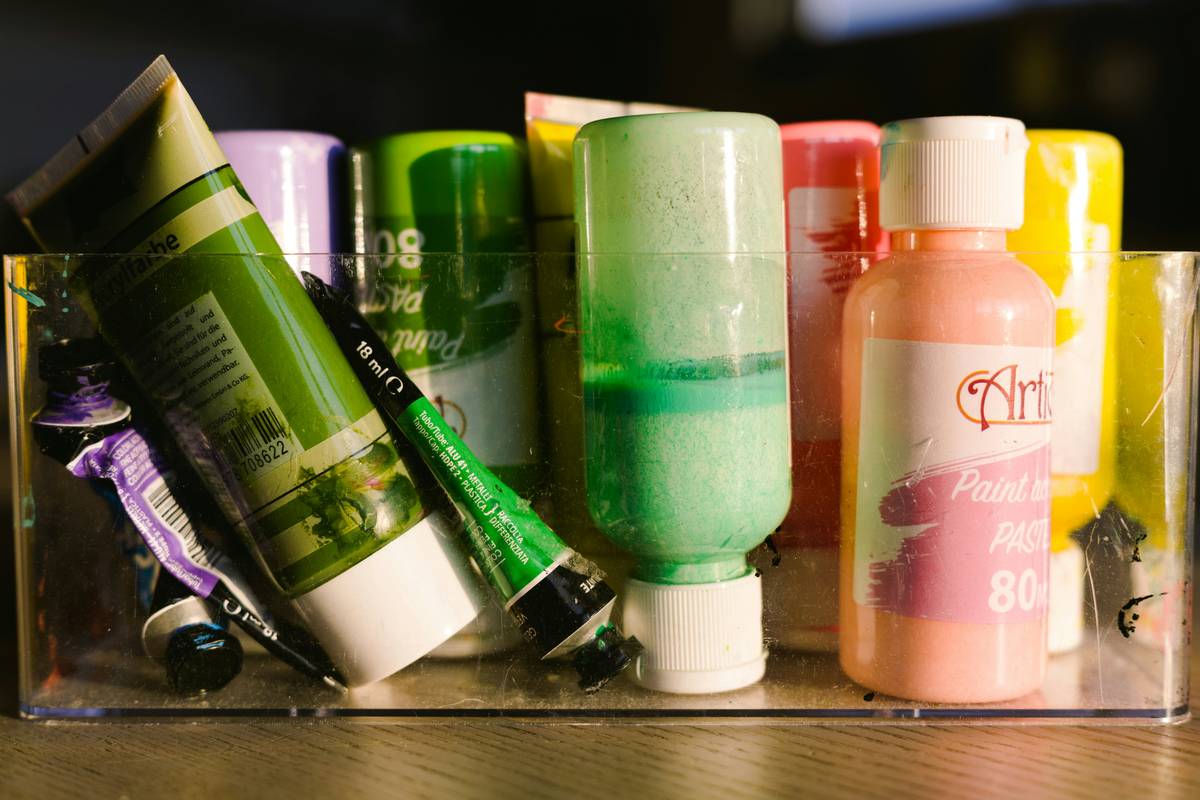
Forget “artist starter kits” with 50 unusable items. Get: student-grade acrylics (Liquitex Basics or Golden Open), 3 round brushes (#2, #6, #10), 1 flat brush (#8), a palette (paper plate works), canvas boards (8×10” size), and a cup of water. Total cost? Under $30. Remember my window cleaner fiasco? Stick to proper materials—they prevent irreversible errors.
Master One Technique at a Time
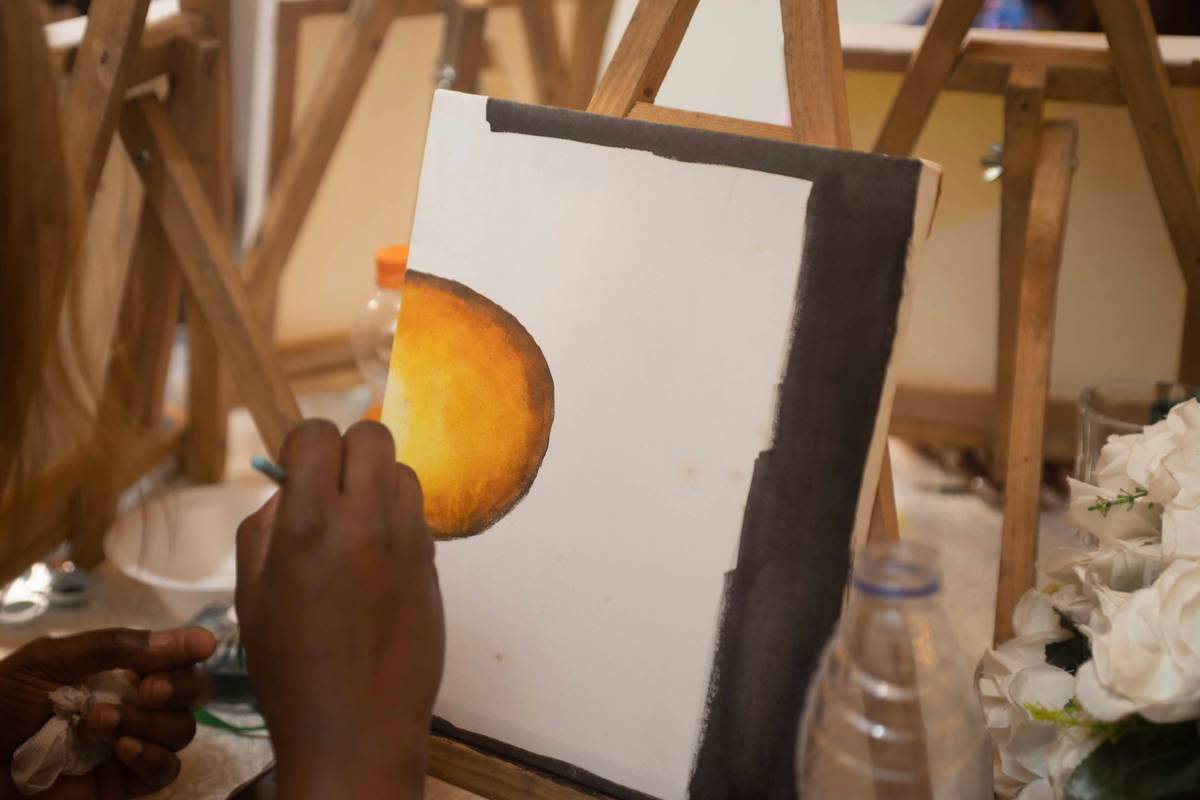
Start with washes (diluted paint for soft backgrounds), then move to dry brushing (textured effects), and finally layering. Don’t jump into impasto or glazing yet. Each technique builds muscle memory. Practice each on scrap paper before touching your canvas.
Follow a Structured Digital Lesson
Use free, credible resources like Khan Academy’s art history and practice modules. Their step-by-step visual guides teach fundamentals without overwhelming jargon.
Best Practices for Stress-Free Creation
- Embrace “ugly” drafts: Your first 10 paintings are tuition—pay it proudly.
- Set a 20-minute timer: Short sessions reduce pressure and build consistency.
- Never compare your Day 1 to someone’s Year 3: Social media distorts progress.
- Terrible tip to avoid: “Just paint what you feel!” Without foundational skills, this leads to frustration. Structure fuels creativity.
And please—stop buying “magic” palette knives or metallic paints before you can blend two colors smoothly. I’ve seen too many dusty, unused supply drawers. Keep it simple.
Real Results from New Artists
Sarah K., a 34-year-old accountant from Ohio, committed to 15 minutes of beginner painting daily using online tutorials. After 8 weeks, she completed her first cohesive series: three easy art paintings for beginners featuring coffee cups, houseplants, and sunsets. She sold prints via Etsy, reinvesting profits into better brushes. Her secret? “I treated it like brushing my teeth—non-negotiable but low-pressure.”
Data supports this: A 2022 study published in Psychology of Aesthetics, Creativity, and the Arts found that structured beginner art exercises increased self-efficacy by 31% in participants after just 6 sessions. Consistency beats complexity every time.
Frequently Asked Questions
What’s the easiest type of painting for absolute beginners?
Acrylic pouring or geometric abstraction. Both require minimal brush control and emphasize color play over precision. Just pour, tilt, and let physics do the work!
How long does it take to learn basic painting skills?
With 2–3 weekly sessions of 20–30 minutes, most beginners gain solid foundational skills in 4–6 weeks. Progress depends on deliberate practice, not hours logged.
Can I use watercolor instead of acrylics?
You can, but watercolors are less forgiving—mistakes are hard to correct. Acrylics dry fast, layer well, and clean up with water, making them ideal for easy art paintings for beginners.
Do I need to know how to draw first?
No. Many painting styles (like impressionism or abstract) don’t rely on precise drawing. Tracing outlines onto canvas is also a valid starting technique.
Where can I find reliable online painting courses?
Besides Khan Academy, explore Art21’s educational resources, which feature contemporary artists demonstrating accessible methods. Always check instructor credentials—look for degrees or exhibition histories.
Why do my beginner paintings look muddy?
Overmixing colors or using too many pigments at once causes muddiness. Limit your palette to 3 colors + white per session. Also, ensure brushes are rinsed thoroughly between hues.
Remember: Every artist was once where you are now—staring at a blank surface, heart pounding. The only wrong move is not making one at all. Ready to turn your creative curiosity into finished work? Reach out to us—we’d love to see your first piece. And for peace of mind about your data, review our Privacy Policy. We’re real people building real tools; learn more on our About Us page.
Final thought: Canvas doesn’t judge. It only waits—and welcomes.