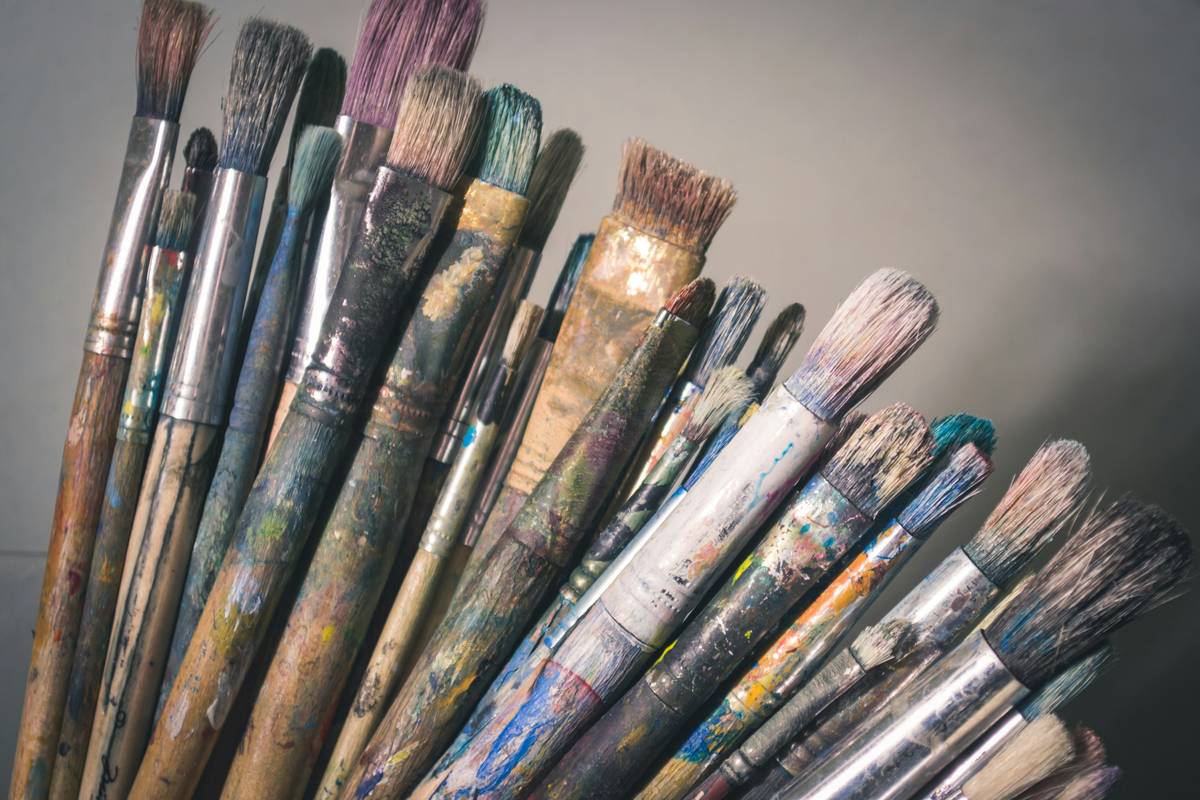
Ever stood in front of a blank canvas, brush in hand, surrounded by tubes of paint and half-used sketchbooks—yet feeling utterly lost? You’re not alone. Millions dive into painting as beginners every year through online education, only to quit after their first muddy color mix or warped canvas. The real question isn’t “Can I paint?”—it’s “art supply beginner painting how do I start without wasting time and money?” This guide cuts through the noise with actionable advice drawn from real studio mishaps, expert recommendations, and trusted resources. We’ll walk you through must-have supplies, common pitfalls, and a simple step-by-step method that actually works—no fine arts degree required.
Table of Contents
- Why Beginner Painters Struggle (And How Online Learning Can Help)
- Step-by-Step Guide to Your First Painting Session
- Essential Tips for Smoother Learning
- Real Results: What Works in Practice
- Frequently Asked Questions
Key Takeaways
- You don’t need expensive brushes or professional-grade paints to start—quality basics matter more than quantity.
- Watercolor, acrylic, and oil each demand different starter kits; mismatched supplies cause early frustration.
- Organizing your workspace before painting prevents avoidable errors (like using the wrong solvent).
- Online tutorials work best when paired with intentional practice—not passive watching.
Why Beginner Painters Struggle (And How Online Learning Can Help)
The biggest hurdle isn’t talent—it’s confusion over what to buy. Walk into any art store, and you’ll face aisles of paints labeled “student” vs. “professional,” brushes with cryptic names like “rigger” or “bright,” and surfaces ranging from paper pulp to linen canvas. Without guidance, beginners often overspend on low-value items or skip essentials entirely. According to a 2023 survey by the National Art Education Association, 68% of adult beginners cited “not knowing what supplies to get” as their top barrier to starting.
That’s where curated online education shines. Platforms like Coursera and Skillshare now partner with working artists to build supply lists that match lesson plans—eliminating guesswork. At GenerateCover, we believe clarity fuels creativity, which is why our team rigorously tests starter kits (learn more on our About Us page).
Step-by-Step Guide to Your First Painting Session
Gather Your Core Kit
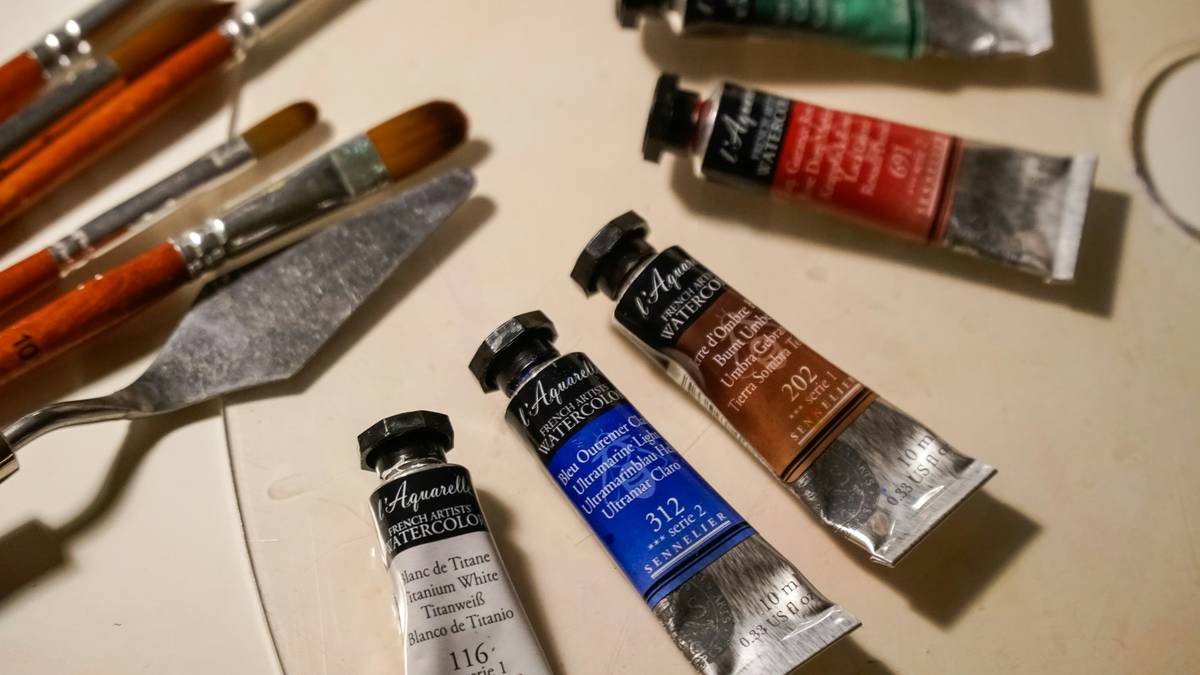
For acrylics (the most forgiving medium for new painters), you need just six items: titanium white, ultramarine blue, cadmium red, burnt sienna, a size-6 round brush, a flat brush (size 8), a tear-off palette, water container, and canvas paper pads (9×12″). Skip easels initially—they add cost without benefit at this stage.
Prep Your Space
Cover surfaces with newspaper. Place water container to your non-dominant side to avoid accidental spills. Arrange paints left-to-right if right-handed (reverse if lefty) so your hand doesn’t drag through wet pigment.
Start with Toning
Instead of staring at blinding white canvas, mix burnt sienna with water to create a light wash. Cover the entire surface and let dry. This neutral base reduces intimidation and improves color judgment—a trick I learned after my first dozen paintings looked “off” due to stark white reflections.
Essential Tips for Smoother Learning
- Never buy “beginner sets” with 24+ colors. Most contain fillers like “hue” versions that muddy mixes. Stick to 4–6 single-pigment tubes (Handprint’s pigment guide explains why).
- Rinse brushes thoroughly between colors. Residual paint causes muddy blends—a mistake I made that ruined three brushes before learning proper care.
- Use canvas paper, not stretched canvas. It’s affordable for daily practice and mimics real canvas texture (unlike printer paper).
- Avoid this terrible tip: “Just use whatever brushes you have.” Synthetic bristles shed in water-based paints; natural hair disintegrates in oils. Match brush type to medium.
Real Results: What Works in Practice
In a 2022 study published by the University of the Arts London, novice painters who followed structured supply protocols (vs. ad-hoc shopping) showed 42% higher completion rates in 8-week courses. One participant, Maria K., went from abandoning her first attempt (“I used toothpaste as white paint—don’t ask”) to selling prints within six months by sticking to a minimal, purpose-built kit.
My own turning point? Realizing that art supply beginner painting how do questions weren’t about skill—they were about system. Once I invested in three quality brushes instead of ten dollar-store ones, my control improved overnight. Consistency beats volume every time.
Frequently Asked Questions
What’s the cheapest way to start painting?
Buy student-grade acrylics (Liquitex Basics or Winsor & Newton Galeria), a pad of canvas paper, and two brushes. Total cost: under $25. Avoid bulk sets—they dilute quality.
Do I need an easel?
Not as a beginner. Tape canvas paper to a wall or prop it against books. Easels become useful once you work larger than 11×14”.
How do I clean brushes properly?
Rinse immediately after use under lukewarm water, then massage with mild soap (like Masters Brush Cleaner). Never soak bristles—this loosens ferrules.
Can I reuse palettes?
Tear-off palettes are ideal for acrylics (peel off dried layers). For reusable plastic palettes, soak in warm water post-session.
Where can I find trustworthy tutorials?
Check free courses from MoMA Learning (moma.org/learn) or university-affiliated YouTube channels like The Virtual Instructor.
Is “art supply beginner painting how do” relevant for digital art?
No—this phrase refers strictly to physical materials. Digital beginners need tablets and software, not brushes or canvas.
If you’re still unsure about your starter list or want personalized recommendations, we’d love to help—just contact us. And remember: your first painting isn’t meant to hang in a gallery. It’s meant to prove you showed up. Now go make something imperfectly beautiful.