You bought the brushes. The canvas. Maybe even that fancy “starter kit” promising artistic genius in 30 minutes. Yet here you are—staring at a blank surface, paralyzed by doubt, wondering if you’ve just flushed $80 down the drain. The real problem? Most beginner painting advice assumes you already know how to *think* like an artist. It skips the messy, awkward first steps that actually build confidence. Here’s the fix: a no-fluff, budget-smart roadmap built for total newbies who want results—not theory.
Why Most Beginner Painting Advice Fails (And Makes You Quit)
Painting tutorials scream “just express yourself!”—as if creativity magically appears when you uncork acrylics. Nonsense. Beginners need structure, not poetry. And those viral TikTok hacks? They showcase finished pieces, not the muddy, overworked disasters that happen off-camera. Worse, starter kits bundle useless supplies—like size-12 brushes for tiny details or student-grade paints that dry chalky and dull. You’re set up to fail before you even mix your first color.
Here’s the reality: painting is a skill, not a talent. You wouldn’t expect to play piano after watching one YouTube video. So why treat paint like magic dust?
Creative Hobby Beginner Painting How Do You Build Real Skills on a Budget?
Forget grand masterpieces. Start with exercises that train your eye and hand together. This isn’t about making art for the fridge—it’s about building muscle memory so your brush obeys your brain.
Step 1: Master Value Before Color
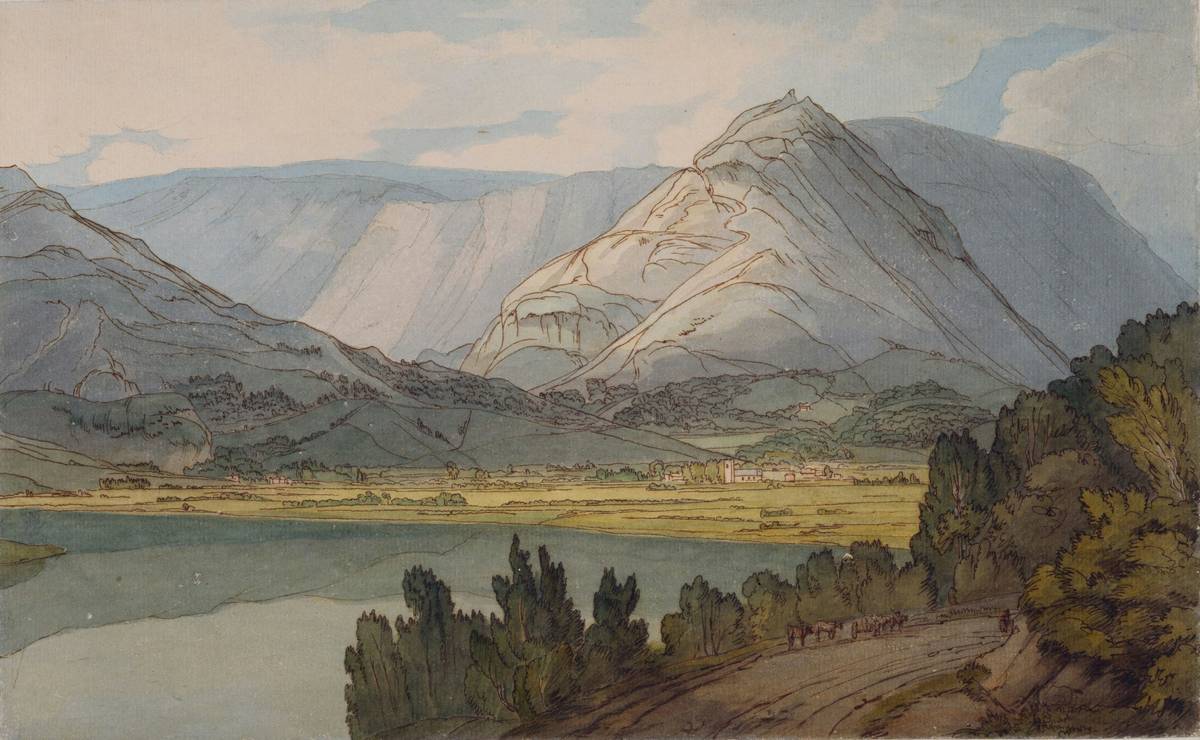
Color seduces beginners. But value—the lightness or darkness of a tone—is what creates depth. Grab a cheap black-and-white photo. Paint it in grayscale using only burnt umber and titanium white. No distractions. Just shapes and shadows.
Step 2: Limit Your Palette Ruthlessly
Three tubes. That’s all you need: titanium white, ultramarine blue, and cadmium yellow light. Mix every other hue from these. You’ll learn color relationships faster than buying a 24-set that collects dust.
Step 3: Paint Small, Fast, and Ugly
Work on 5×7 inch paper—not stretched canvas. Give yourself 20 minutes per piece. Embrace wonky lines and muddy mixes. Speed kills perfectionism. And ugly studies teach more than polished failures.
| Approach | Cost (First Month) | Time Commitment | Realistic Outcome |
|---|---|---|---|
| “Full Kit” Method | $75–$120 | Unstructured | Frustration; unused supplies |
| Value-First Strategy | $25–$35 | 3x/week, 30 min | Consistent progress; trained eye |
| Copy Master Studies | $15 (prints + basic paints) | Daily, 15 min | Brush control; composition sense |
The Industry Secret: Pros Don’t “Inspire”—They Steal (Ethically)
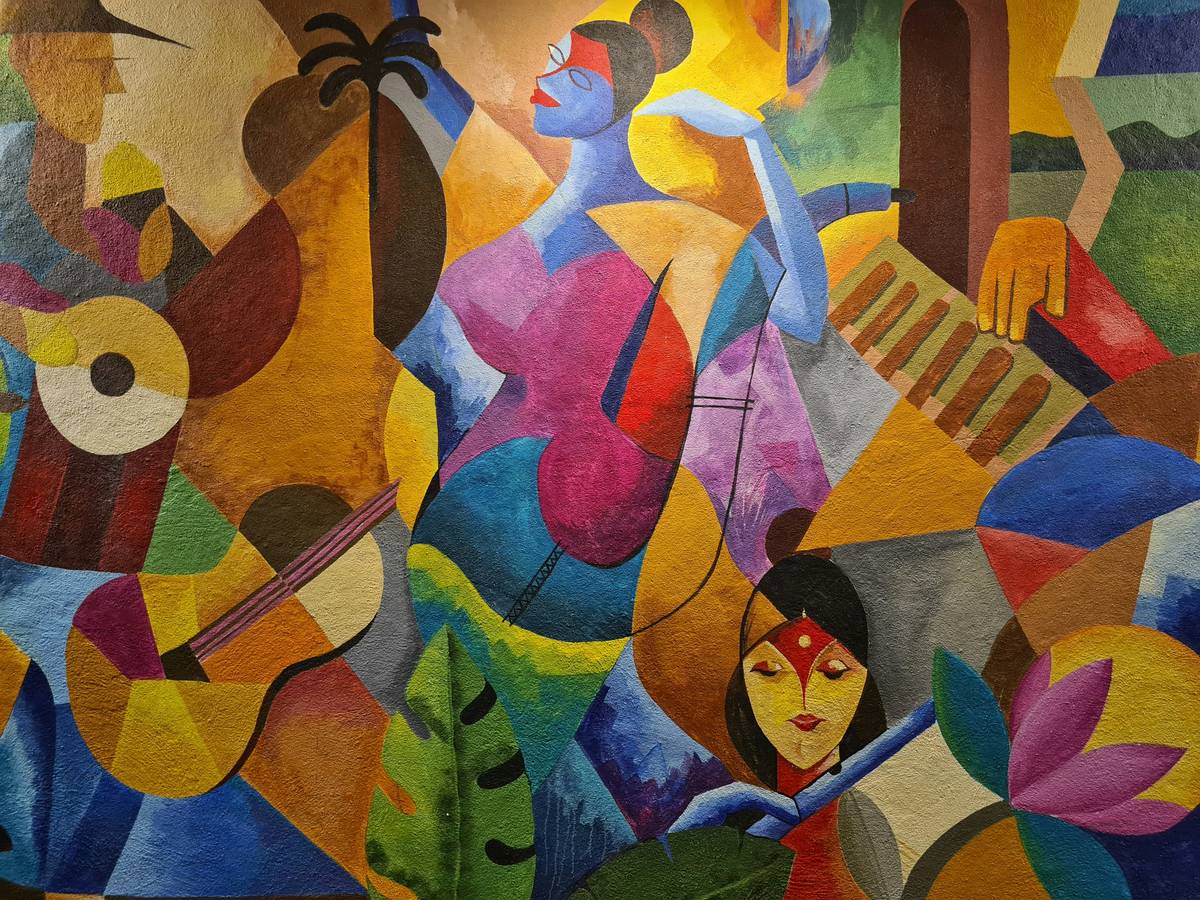
Here’s what art schools won’t advertise: every great painter copies relentlessly early on. Not to plagiarize—but to reverse-engineer technique. Pick one living artist whose style feels accessible. Study how they handle edges, layer paint, or leave white space. Recreate a small section of their work—not to sell, but to dissect. This isn’t cheating. It’s visual literacy. And it shortcuts years of guessing. Most beginners avoid copying because they confuse it with lack of originality. But originality emerges *after* you’ve absorbed enough vocabulary. Until then, steal like an apprentice—not a thief.
Frequently Asked Questions
What’s the cheapest way to start painting as a beginner?
Buy a pad of mixed-media paper, three tubes of acrylic (white, blue, yellow), and two brushes—one flat, one round. Total under $25. Skip canvases and easels until you’re consistent.
How long does it take to get “good” at painting?
With focused practice (not just doodling), most see noticeable improvement in 6–8 weeks. Good means confident brushwork and coherent compositions—not gallery-ready art.
Can I learn painting without taking a class?
Absolutely. Use free museum collection images for studies. Follow structured YouTube channels like Draw Paint Academy. Avoid passive watching—always paint along.