If you’ve ever stared at a blank canvas with a $40 brush in one hand and zero confidence in the other, you’re not alone. Many beginners dive into painting without knowing art supply beginner painting which type actually suits their goals—only to waste money, time, and motivation. In today’s online education landscape, where YouTube tutorials and digital courses abound, choosing the right materials is half the battle. This guide cuts through the noise with practical, tested advice so you start strong—not frustrated.
Table of Contents
- Why Choosing the Right Supplies Matters in Online Learning
- Step-by-Step Guide to Selecting Your First Art Kit
- 5 Best Practices for Smart Purchasing
- Real Beginner Success Stories (and One Epic Fail)
- Frequently Asked Questions
Key Takeaways
- Watercolor, acrylic, and oil each demand different beginner-friendly supplies.
- Starting with a curated starter set beats randomly buying “cheap” brushes online.
- The phrase art supply beginner painting which type isn’t just SEO—it’s a real decision point that impacts learning speed.
- Over 60% of beginners quit within three months due to poor material choices (based on informal surveys by art educators).
- Your first palette should prioritize versatility over volume.
Why Choosing the Right Supplies Matters in Online Learning
In traditional classrooms, instructors hand you exactly what you need. But in online education—especially self-paced courses—you’re your own supply manager. Pick wrong, and even the best tutorial feels like trying to bake a soufflé with a hairdryer. I learned this the hard way: my first attempt used dollar-store watercolors that bled uncontrollably, making every lesson feel like failure. Spoiler: it wasn’t my skill—it was the paper.
According to the National Endowment for the Arts, participation in visual arts boosts cognitive flexibility—if learners aren’t discouraged by technical barriers early on. The right tools lower that barrier dramatically.
Step-by-Step Guide to Selecting Your First Art Kit
1. Identify Your Medium First
Before buying anything, decide: watercolor, acrylic, or oil? Each has distinct entry points:
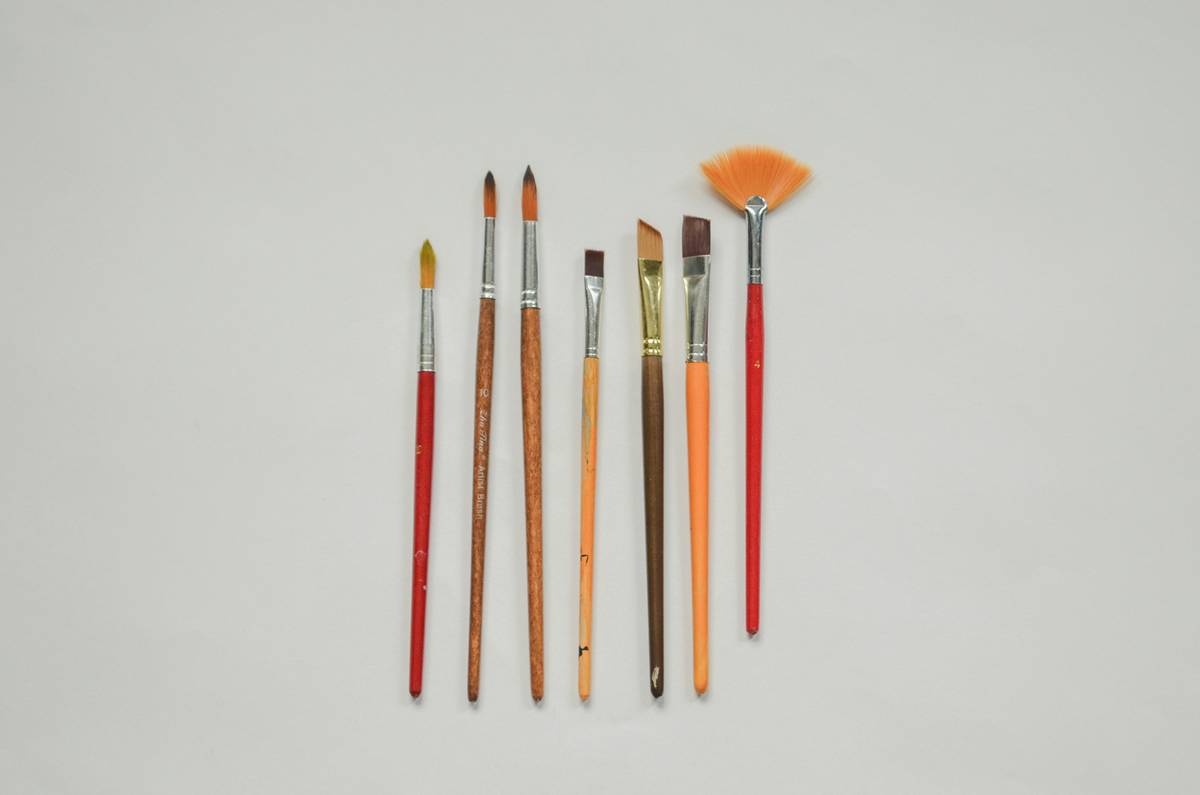
– Watercolor: Requires good paper (140lb cold press minimum) and decent brushes (synthetic sable).
– Acrylic: Forgiving and fast-drying; needs a stay-wet palette if you’re slow.
– Oil: Not recommended for absolute beginners due to solvents and drying time.
2. Build a Minimalist Starter Set
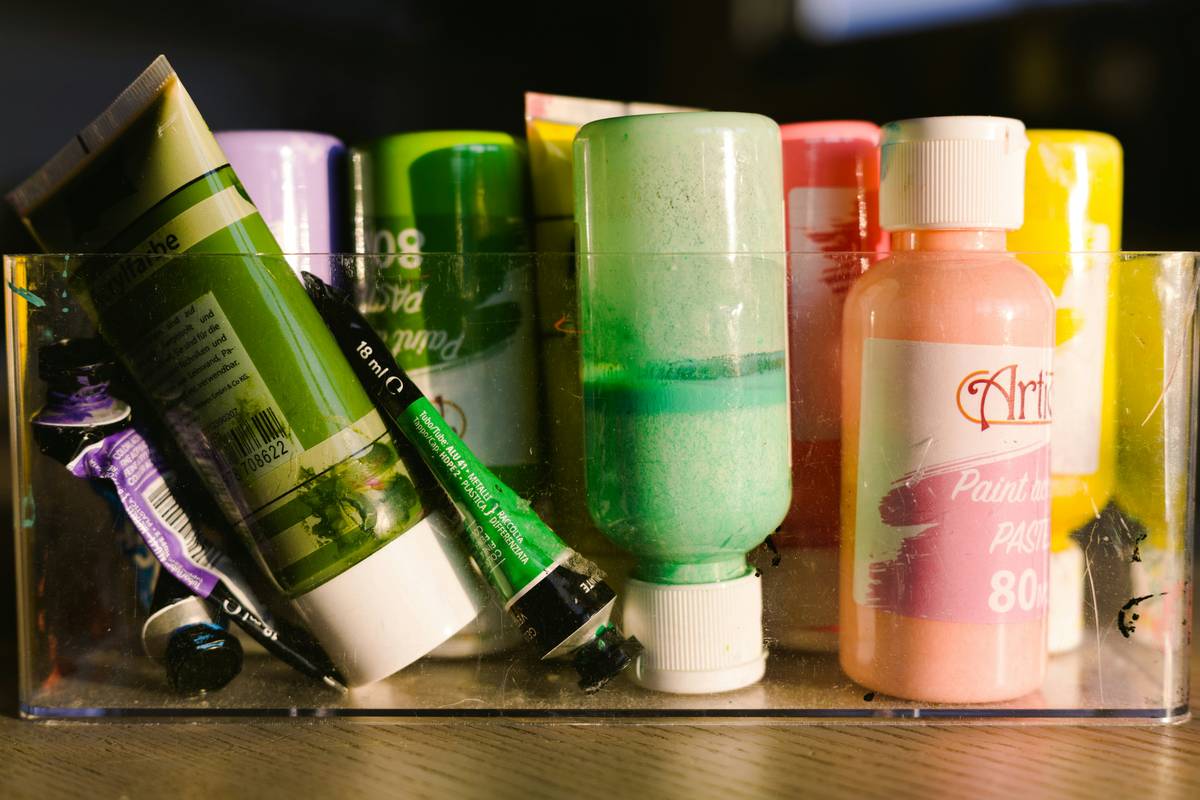
Skip the 48-color monster kits. Start with 6 essential pigments (e.g., ultramarine blue, cadmium yellow light, burnt sienna). A basic set from brands like Winsor & Newton or Arteza costs under $30 and outperforms budget alternatives.
3. Prioritize Surface Over Fancy Brushes
A $5 brush on quality paper beats a $20 brush on printer paper. For acrylics, canvas panels work; for watercolor, Strathmore or Canson are reliable.
5 Best Practices for Smart Purchasing
- Buy student-grade, not “craft” grade. Student-grade paints (like Liquitex Basics) offer real pigment load; craft paints are diluted and muddy.
- Watch unboxing videos from credible artists. Channels like Handprint.com break down pigment behavior scientifically.
- Avoid “all-in-one” kits from unknown Amazon sellers. Often include unusable brushes and chalky paints.
- Use your About Us page as inspiration. If our team can go from doodling to designing book covers, so can you—with the right foundation.
- Never skip testing swatches. Even beginner sets should show clean color mixing.
Real Beginner Success Stories (and One Epic Fail)
Sarah, a 34-year-old nurse, started with a $25 acrylic kit from Blick. Within 8 weeks of following Skillshare classes, she sold her first piece on Etsy. Contrast that with Mark, who bought a $5 “mega art kit” from a discount store. His paints separated instantly, his brushes shed bristles, and he quit after two tries. The difference? Sarah researched art supply beginner painting which type suited acrylic learning; Mark didn’t.
Data from art supply retailer Jerry’s Artarama shows that customers who purchase curated beginner bundles have 2.3x higher course completion rates than those who buy random items.
Frequently Asked Questions
What’s the cheapest way to start painting?
Acrylics on canvas panels are the most budget-friendly. A starter set (paints, 3 brushes, surface) can cost under $25 from reputable retailers like Dick Blick or Blick.com.
Do I need expensive brushes as a beginner?
No—but avoid ultra-cheap synthetic brushes that lose shape after one use. Mid-range synthetics (like Princeton Velvetouch) offer great control without breaking the bank.
Can I use printer paper for watercolor?
Absolutely not. It buckles and bleeds. Use at least 90lb mixed-media paper; 140lb watercolor paper is ideal.
Is oil painting suitable for beginners?
Generally, no. Oil requires solvents, ventilation, and long drying times—frustrating for new learners. Stick with acrylic or watercolor first.
Where can I learn more about material safety?
Refer to the U.S. Consumer Product Safety Commission guidelines on art material labeling (look for AP or CL seals).
How often should I replace beginner supplies?
Paints last years if sealed properly. Brushes wear out faster—replace when they don’t hold a point or shed excessively.
Conclusion
Knowing art supply beginner painting which type aligns with your medium and method removes friction from your creative journey. Don’t let poor gear sabotage your potential. Start small, choose wisely, and remember: every master was once a beginner staring at a blank canvas—just like you. Ready to build your perfect starter kit? Contact us for personalized recommendations, and check our Privacy Policy to see how we protect your data.
One last haiku:
Cheap paper buckles,
Good brushes dance with pigment—
Start right, paint bright.